
Former Mass Shooting Suspect Quietly Released After Louisiana Case Dropped
A man once accused of planning a mass shooting at a major New Orleans festival has been quietly released from custody after Louisiana prosecutors declined to move forward with the case.
According to court records and reporting from The Associated Press, 45-year-old Christopher Gillum was released after an Orleans Parish grand jury declined to indict him on a state terrorizing charge. Court records show prosecutors formally refused the charge on July 1.
Gillum had previously been extradited from Florida to New Orleans, where he was being held without bond at the Orleans Justice Center while awaiting prosecution.
Arrest Sparked National Attention
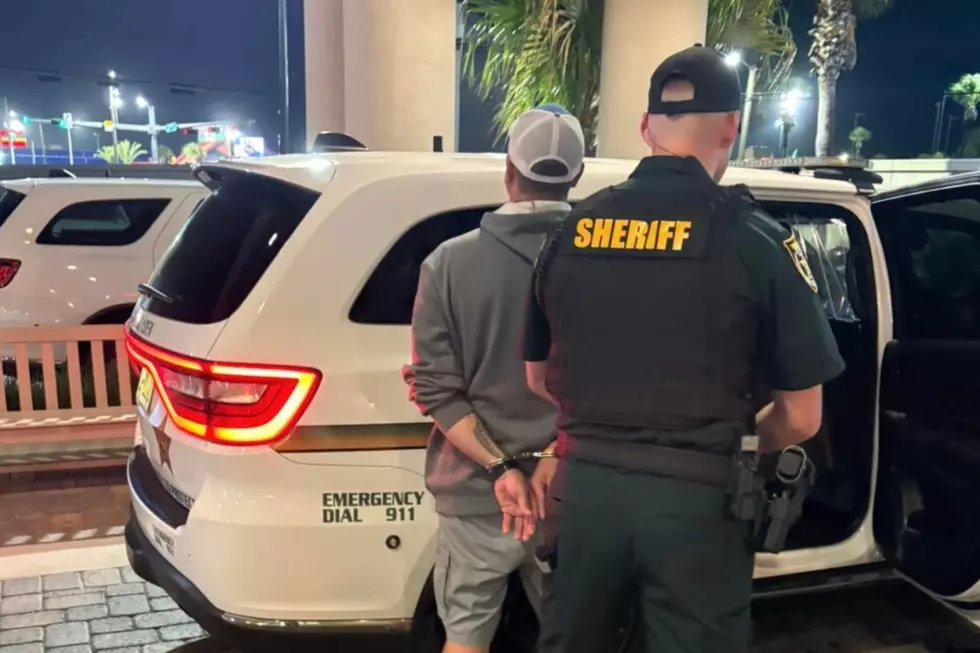
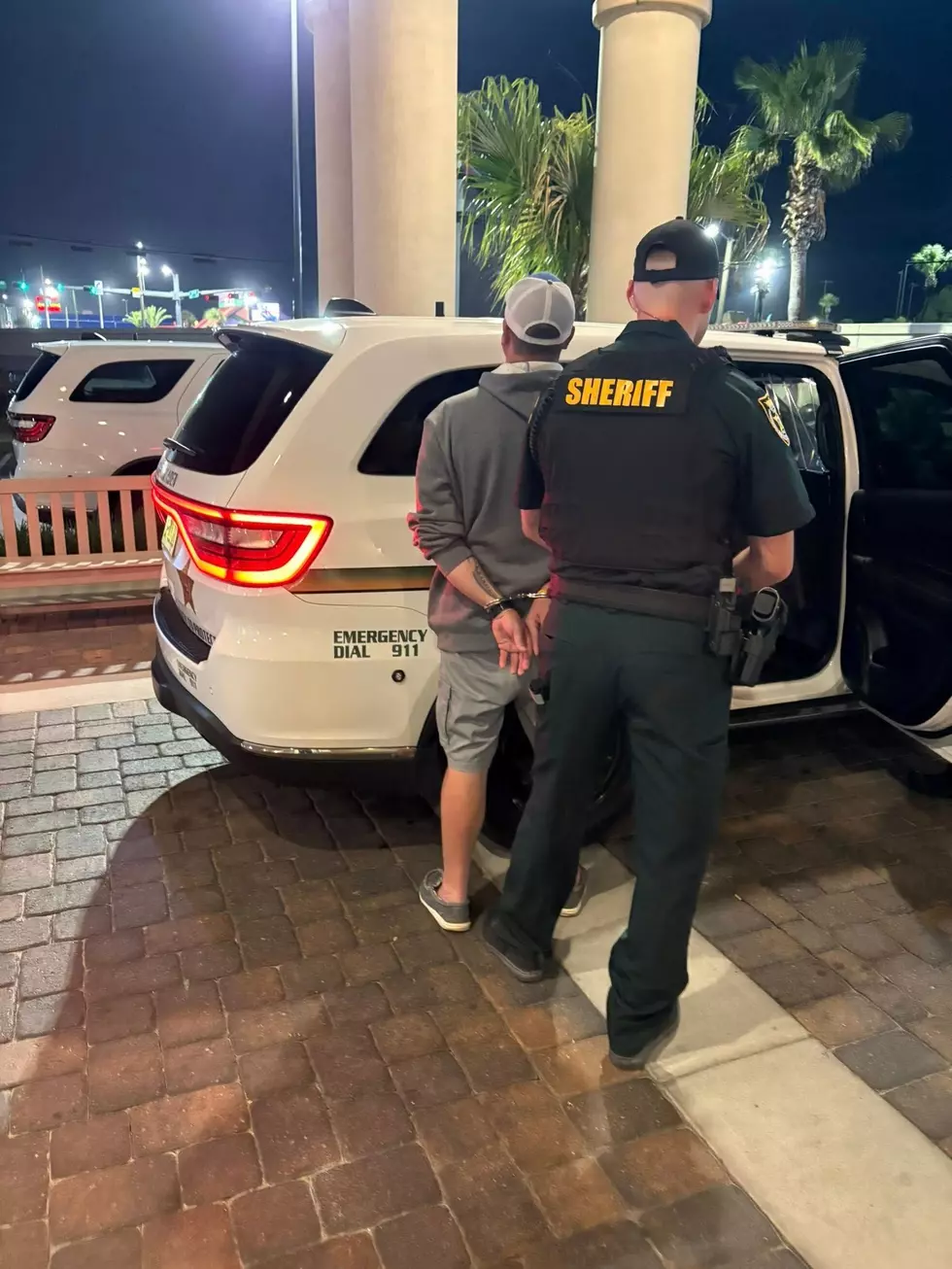
The case drew national headlines in April after authorities in Florida arrested Gillum at a Hampton Inn in Destin.
At the time, investigators alleged the former North Carolina police officer was traveling to New Orleans with plans to carry out a mass shooting at a large festival before dying by what authorities described as "suicide by cop."

Deputies searching Gillum's hotel room recovered a handgun and approximately 200 rounds of ammunition, according to investigators.
Authorities never officially identified which Louisiana festival was allegedly being targeted.
However, Gillum's arrest came just hours before the opening of the New Orleans Jazz & Heritage Festival, leading many investigators and media outlets to believe Jazz Fest was the intended destination. Sources familiar with the investigation previously told KPEL News they believed Jazz Fest was the likely target, though no agency ever publicly confirmed that information.
Family Raised Concerns Before Arrest
Court documents allege Gillum's family became increasingly concerned about his mental health before his arrest.
According to the arrest affidavit, family members requested a welfare check after Gillum allegedly made disturbing statements and appeared to be in crisis.
Investigators said Gillum told a cousin he planned to travel to New Orleans to "take care of business" and allegedly expressed an intent to kill a Black person. The cousin, who reportedly worked with Gillum in law enforcement, told investigators Gillum had previously called while intoxicated and described having increasingly "dark" thoughts.
Authorities also alleged Gillum told relatives he had retrieved a firearm from a storage unit before leaving North Carolina.
Despite those allegations, investigators intercepted Gillum in Florida before he ever reached Louisiana.
Why The Charges Were Dropped
According to The Associated Press, prosecutors ultimately decided not to pursue the case because of several legal hurdles.
A spokesperson for Louisiana Attorney General Liz Murrill told the AP there were jurisdictional issues that complicated prosecution. Among them, the alleged threats were made to family members while Gillum was still in North Carolina, and authorities arrested him in Florida before he entered Louisiana.
After the grand jury declined to indict him, Gillum was released from custody and is not currently facing criminal charges in any other jurisdiction.
His attorney confirmed his release but declined further comment.
Gillum Reportedly Entered Treatment
The Louisiana Attorney General's Office told The Associated Press that Gillum's family transported him to an out-of-state treatment facility following his release.
Court records related to the case have remained confidential, and officials have indicated there were significant mental health considerations throughout the investigation.
While the criminal case has ended, the circumstances surrounding the allegations continue to raise questions about how authorities handle potential threats that cross multiple state lines before a crime is carried out.

Investigation Prevented Any Attack
Although prosecutors declined to pursue charges, authorities have consistently maintained that law enforcement agencies acted quickly after receiving information from Gillum's family and other investigators.
The coordinated response between agencies in North Carolina, Florida, and Louisiana ultimately led to Gillum's arrest before he reached New Orleans.

