LDH Warns Against Contact With Henderson Lake Water After Algae Bloom
HENDERSON, La. — The Louisiana Department of Health is warning residents and visitors to stay away from parts of Henderson Lake after satellite imagery confirmed a cyanobacteria bloom, commonly known as blue-green algae, in the Atchafalaya Basin waterway.
State health officials still need to test the water to determine whether the bloom is producing toxins. Not every algae bloom is harmful, but certain strains of cyanobacteria release toxins that can sicken people and kill pets. There’s no way to tell just by looking at the water whether a bloom is dangerous.

What LDH Wants Henderson Lake Visitors to Know
Because blooms can shift and change quickly, LDH is telling people to avoid any part of the lake where algae is visible or suspected, beyond the specific area flagged in satellite images. Health officials say a bloom’s toxicity can’t be judged by eye, so caution applies anywhere the water looks or smells off.
“Louisiana’s lakes and waterways are an important part of how we live, work, and spend time outdoors, and a few simple precautions can help people enjoy them safely,” LDH Secretary Bruce D. Greenstein said in a statement. He added that anyone who sees or smells a bloom should stay out of the water and keep children and pets away, and when in doubt, avoid contact with the water entirely.

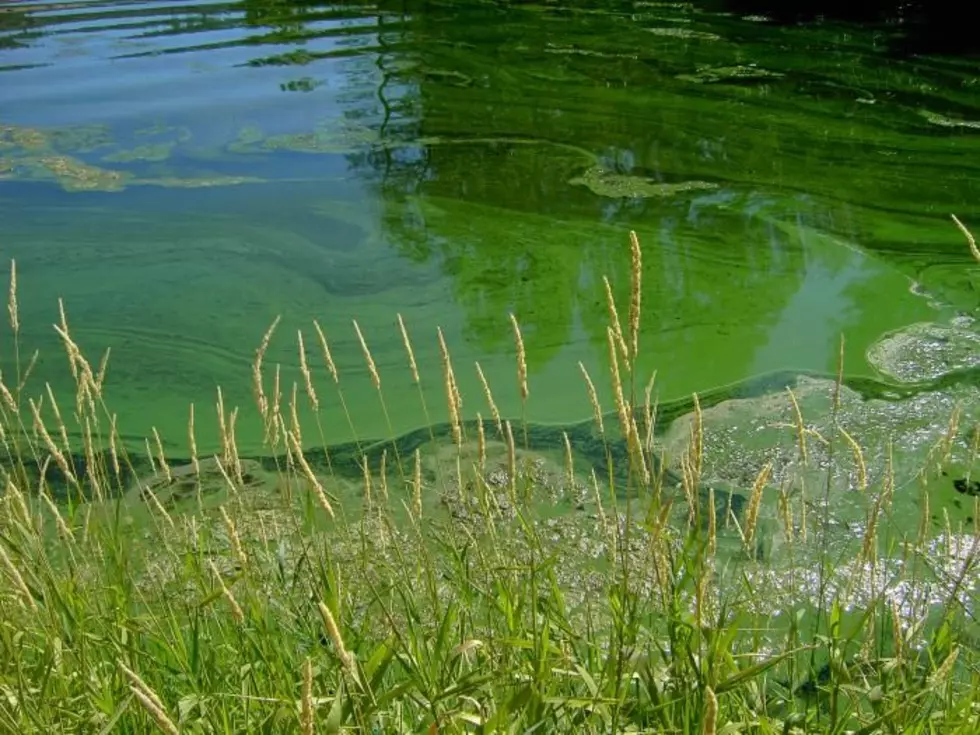
An algal bloom shows up as a fast buildup of algae on the water’s surface. It can appear blue, bright green, brown or red, often with a smell similar to rotting plants, and sometimes leaves foam or scum floating on top. Cyanobacteria thrive in warm, still water above 75 degrees, conditions common on south Louisiana lakes through the summer and fall.
A Popular Basin Waterway Already Losing Water
Henderson Lake, a shallow backwater lake in St. Martin Parish’s West Atchafalaya Basin Floodway, is used heavily for fishing, swamp tours and recreational boating out of the Henderson area. The lake is also in the middle of its annual scheduled drawdown, a Louisiana Department of Wildlife and Fisheries process that lowers water levels through early November to manage invasive vegetation and improve fish habitat. LDH’s advisory does not tie the bloom to the drawdown, and the agency has not said what triggered the growth at Henderson Lake specifically.
Precautions For Contact With Affected Water
LDH is asking anyone near Henderson Lake or other Louisiana waterways with a visible or suspected bloom to follow several precautions. Avoid swimming, wading, boating and other recreational activity in any area with an active bloom, and keep pets out of the water entirely, including drinking from it. Anyone who does come into contact with a bloom, human or animal, should wash off promptly with soap and clean water. Don’t use water from an affected area for drinking, cooking, or preparing food.
Exposure to algal toxins can cause rashes, stomach cramps, coughing, nausea, diarrhea, or vomiting, according to LDH. Higher levels of exposure can affect the liver and nervous system. Anyone who develops symptoms after contact with the water should see a health care provider.
Who to Contact With Questions
LDH’s Section of Environmental Epidemiology and Toxicology is fielding questions related to the bloom and can be reached at 888-293-7020. The agency says it will continue monitoring conditions at Henderson Lake and other affected waterways as testing continues.
You May Also Like...
- New Fishing Rules Take Effect in the Atchafalaya Basin Next Month
- West Nile Virus Detected in Louisiana: Officials Launch Mosquito Spraying
- Louisiana Should Brace for Intense Mosquito Season, Experts Warn
Louisiana's Top Outdoor Adventures
Gallery Credit: Joe Cunningham