

The Louisiana v. Callais Case Isn’t Over Yet — 2 Lafayette Judges Could Close It This Month
LAFAYETTE, La. — Louisiana Attorney General Liz Murrill is expected to ask a three-judge federal panel on Oct. 27 to end the Callais case, while the plaintiffs who won at the U.S. Supreme Court want it kept open so judges can examine the state’s remaining majority-Black congressional district, legal filings show.
Two of the three judges on that panel sit in Lafayette: U.S. District Judges David C. Joseph and Robert R. Summerhays. The hearing takes place in Shreveport and will not change the Nov. 3 election, but the case could carry consequences for Louisiana’s congressional delegation.

What happens at the Oct. 27 hearing in Shreveport
Murrill is expected to ask the panel to officially end proceedings. The state’s reasoning is that the 6th Congressional District, which lawmakers redrew May 29, no longer violates the Supreme Court’s ruling. Her filing argues against keeping the case open and widening its scope, which she says would waste judicial and party resources over the next year. She also notes that the plaintiffs’ own fee request described their win as complete success on all claims.
The Callais plaintiffs disagree. They argue the same reasoning that led the court to strike down the 6th District could apply to the 2nd District, currently held by U.S. Rep. Troy Carter, D-New Orleans. They want the case to stay open so the panel can decide whether that district should change too.
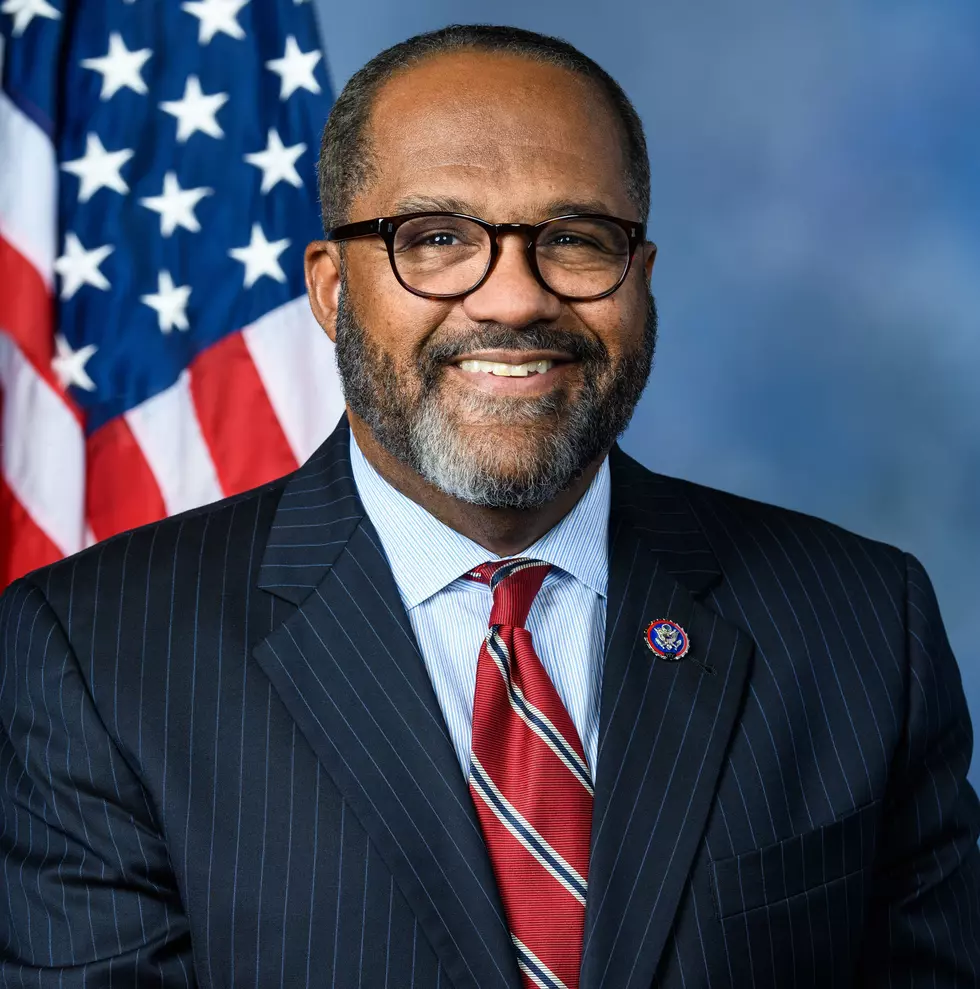
The ruling has drawn a sharp rebuke from Carter, whose district runs through predominantly Black communities near the Mississippi River from New Orleans to Baton Rouge.
“They will never stop in their quest for a return of Jim Crow,” Carter said.
Why Phillip Callais says his case is not finished
Louisiana’s new map moved lead plaintiff Phillip Callais out of the 6th District and into the 2nd. His lawyers, Edward D. Greim of Kansas City and Paul Hurd of Monroe, argue that leaves him in a potentially racially gerrymandered district. They say a case is not moot when it resolves only part of the injury.
They also want the court to examine his precinct in Brusly, a small, predominantly white town on U.S. 1 in West Baton Rouge Parish. His lawyers want the panel to decide whether the precinct moved for an ordinary reason or a race-based one, such as protecting the Black majority in the 2nd District. If the move was race-based, they argue, the court would need to impose a remedy.
How the Callais ruling led to a new Louisiana map
The Supreme Court issued its 6-3 ruling on April 29, with Justice Samuel Alito writing for the majority. The court found that the 2024 map, which created a second majority-Black district, was an unconstitutional racial gerrymander. Justice Elena Kagan dissented. The decision left Section 2 of the Voting Rights Act in place but narrowed how it applies.
The case began with a dozen voters who identify as non-African American. They said the 2024 map minimized their voices by placing them in a district drawn to group Black voters together. The district at issue, the one U.S. Rep. Cleo Fields won in 2024, linked Black-majority precincts from Baton Rouge to Lafayette to Shreveport.

Lawmakers passed a new map in late May, and Gov. Jeff Landry signed it May 29. The House voted 66-36, and the Senate voted 28-10. The 6th District’s Black population dropped from 53% to 25%, and Fields did not seek re-election. The map is designed to produce five Republican seats and one Democratic seat, compared with four Republicans and two Democrats before. Louisiana’s population is about one-third Black.
What a 2nd District change could mean for Louisiana voters
Sixty percent of the 2nd District’s registered voters are Black. If its lines are redrawn, many of those voters would move into U.S. House Majority Leader Steve Scalise’s 1st District, where 12% of registered voters are Black.
Ashley Shelton, who leads the New Orleans-based Power Coalition and was an intervening party in earlier lawsuits over Louisiana’s districts, said Republicans could be surprised if the Callais plaintiffs succeed. She said Louisiana has enough Black residents that redrawing would carry unintended consequences.
Key dates in the Callais case
The parties are scheduled to meet in Shreveport on Oct. 27. If the case moves forward, it will not affect the Nov. 3 midterm elections. If the case is not dismissed, the parties must submit a proposed roadmap for the rest of the proceedings by Dec. 15, and the Callais plaintiffs have said they will lay out more detail in that filing.
You May Also Like...
- Supreme Court Strikes Down Louisiana's Congressional Map in 6-3 Voting Rights Ruling
- Cleo Fields Rules Out Running Against Troy Carter If Louisiana Merges Its Two Black Districts
- Louisiana's New Congressional Map Faces Supreme Court Test—Here's What's at Stake
The History Behind Lafayette's Street Names
Gallery Credit: Joe Cunningham
