

Government Shutdown Could Hit 31,000 Louisiana Workers by Tuesday—What Families Need to Know
Highlights
- Over 31,000 Louisiana federal workers face missing paychecks starting October 15 if the shutdown continues beyond Tuesday’s midnight deadline
- More than 15,000 military personnel at Barksdale Air Force Base, Fort Johnson, and NAS JRB New Orleans must work without immediate pay
- SNAP benefits for 400,000+ Louisiana households will continue in October, but face uncertainty if the shutdown extends beyond one month
- Louisiana veterans can still access VA healthcare and disability benefits, which remain fully funded during government disruptions
- The Trump administration threatens unprecedented permanent layoffs of federal workers, breaking from traditional temporary furlough procedures
Congress Deadline Looms as Louisiana Braces for Federal Government Shutdown Impact
Approximately 31,700 federal workers across Louisiana could see immediate impacts as bipartisan negotiations remain deadlocked, with just hours remaining before the fiscal year deadline
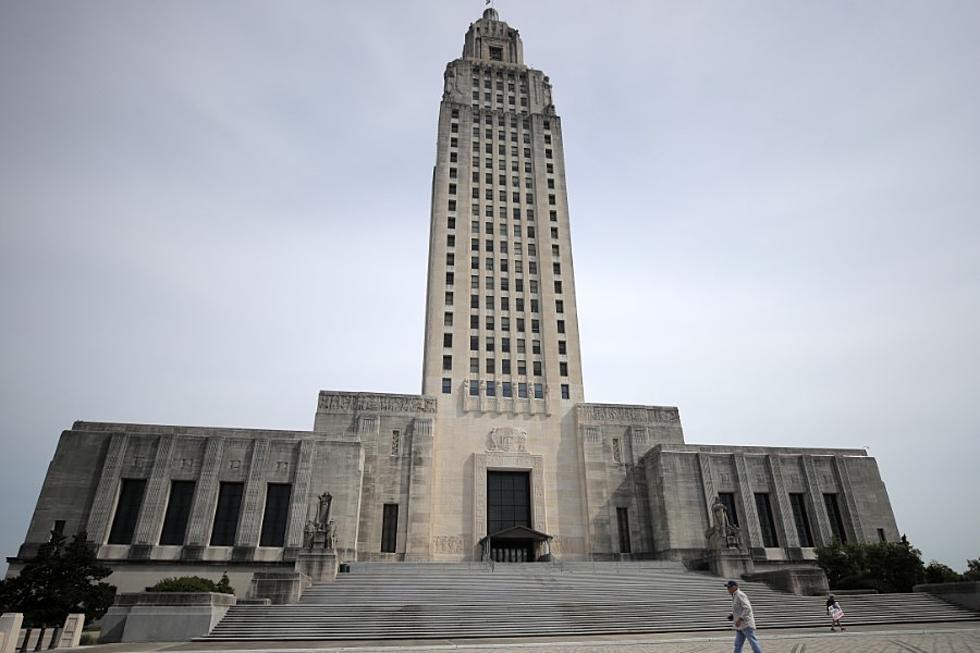
BATON ROUGE, La. (KPEL News) — Louisiana families, military personnel, and federal workers are preparing for widespread disruptions as the federal government barrels toward a shutdown at midnight Tuesday, September 30.
According to recent federal data, the Pelican State employs approximately 31,700 civilian federal workers who face immediate consequences if Congress fails to pass funding legislation before the start of the new fiscal year.

Congressional leaders remain at odds over a continuing resolution to keep the government funded, with President Trump scheduled to meet with top Democrats on Monday after initially canceling negotiations. Federal experts warn the path to avoiding a shutdown appears increasingly narrow, with few viable alternatives emerging as the deadline approaches.
What Louisiana Federal Workers Need to Know
Louisiana’s federal workforce of approximately 31,700 employees represents about 1.6% of all nonfarm jobs in the state. These workers span multiple agencies, from FEMA disaster recovery offices in New Orleans and Baton Rouge to law enforcement personnel, federal correctional officers, and veterans’ medical clinics across 38 Louisiana cities.
Of Louisiana’s roughly 19,000 civilian federal employees working in appropriated positions, many face the prospect of furloughs or working without pay. During previous shutdowns, Louisiana has experienced significant impacts to its federal workforce, with thousands of employees missing paychecks and struggling to make ends meet.
The Office of Management and Budget has taken an unprecedented step this year. Unlike past shutdowns where furloughed workers returned once funding resumed, the Trump administration has directed agencies to prepare reduction-in-force notices for employees in programs without dedicated funding streams or those not aligned with presidential priorities.
Federal employees deemed “excepted” must continue working without immediate pay, while those considered non-essential will be furloughed until funding resumes. All federal workers are guaranteed back pay under the Government Employee Fair Treatment Act of 2019.
Louisiana Military Installations Face Operational Challenges
Louisiana’s military community—including personnel at Barksdale Air Force Base in Bossier City, Fort Johnson near Leesville, and Naval Air Station Joint Reserve Base New Orleans—faces unique challenges during a government shutdown.
Barksdale Air Force Base, home to more than 15,000 active-duty and Air Force Reserve Command members, operates the 2nd Bomb Wing with approximately 44 B-52H Stratofortress bombers. Active-duty troops, including reserve component personnel on federal active duty, must continue reporting for duty during a shutdown but will not receive paychecks until funding is restored.

The first missed military paycheck would arrive on October 15 if the shutdown extends beyond that date. While all deployed and contingency operations continue unaffected, routine military travel to conferences and professional military education would be canceled, and most elective medical and dental procedures would be delayed.
Child care availability at military installations will be determined base-by-base, depending on staffing and demand, leaving many military families uncertain about care arrangements. Base housing maintenance provided by civilian contractors could face delays depending on contract payment terms.
Louisiana Veterans’ Services and Benefits Continue
Louisiana’s veteran community can find some reassurance amid shutdown uncertainty. The Department of Veterans Affairs maintains that VA Medical Centers, Outpatient Clinics, and Vet Centers will remain open, and benefits including compensation, pension, education, and housing will continue to be processed and delivered.
Burials at VA national cemeteries will continue, along with processing applications for headstones, markers, and burial benefits. The Board of Veterans’ Appeals will continue issuing decisions on veterans’ cases. The VA operates with advanced appropriations, receiving funding a year ahead, which allows the agency to maintain operations during government funding lapses.
However, veterans could experience delays in vocational rehabilitation and education counseling services, and VA public-facing regional offices may close during the shutdown.
SNAP and Food Assistance Programs for Louisiana Families
More than 400,000 Louisiana households depend on SNAP benefits to put food on their tables. SNAP recipients will receive their October 2025 payments even if a government shutdown occurs, as states transmit benefit information to vendors in the prior month.
Louisiana SNAP households saw modest increases in benefits beginning October 1, with maximum benefits for a single-person household rising to $292 per month, and a family of four receiving up to $975 monthly. The Food and Nutrition Service’s accounting process considers the upcoming month’s benefits as obligated in the prior month, extending current fiscal year appropriations to cover October benefits.

However, if the shutdown extends beyond one month, SNAP and WIC programs could face funding shortfalls that would disrupt benefits for vulnerable families. The Special Supplemental Nutrition Program for Women, Infants, and Children (WIC) faces additional concerns, as the program could run out of emergency funding within days of a prolonged shutdown.
Social Security, Medicare, and Essential Services Remain Operational
Louisiana residents who rely on Social Security and Medicare can continue receiving benefits during a government shutdown. Social Security checks continue to go out during shutdowns, and Medicare coverage allows seniors to see doctors and healthcare providers to submit claims for payment and reimbursement.
However, Social Security suspends many non-critical services during shutdowns, including benefit verification requests, earnings record corrections, third-party requests, and overpayment processing. Customer service wait times have increased significantly during previous shutdowns.
Economic Impact on Louisiana Communities
Each week of a government shutdown costs the U.S. economy approximately $7 billion, according to economic analysis, and could weigh on investor and consumer confidence during an already challenging economic period.
For Louisiana’s federal workforce, the financial strain extends beyond individual employees. During the 2018-2019 shutdown—the longest in U.S. history at 35 days—Louisiana counted 5,858 furloughed federal workers who missed paychecks. State officials responded by expanding unemployment benefits eligibility and urging utility companies not to disconnect power to federal employees.

The Louisiana Public Service Commission considered regulations to automatically prevent utility companies from cutting off power to federal employees during government shutdowns, recognizing the recurring nature of these funding crises.
What Louisiana Residents Should Do Now
Louisiana families and federal workers should take proactive steps to prepare for potential disruptions:
Federal Workers: Contact your agency’s human resources department to understand your classification as excepted or non-excepted. Review your budget and identify areas where expenses can be temporarily reduced. Contact your bank or credit union about potential bridge loans or payment deferrals—many financial institutions offer assistance programs during government shutdowns.
Military Families: Reach out to installation family support centers for information about emergency financial assistance programs. Confirm child care arrangements with your base’s Child Development Center. Check with base services about operating hours and availability during a shutdown.
Veterans: Your VA healthcare and benefits will continue, but plan for potential delays in administrative services. Ensure you have sufficient medication supplies and upcoming appointments confirmed.
SNAP Recipients: Your October benefits will arrive as scheduled. If the shutdown extends into November, monitor announcements from the Louisiana Department of Children & Family Services about potential impacts.
All Louisiana Residents: Avoid planning visits to national parks or federal facilities during the shutdown period, as services will be severely curtailed. Expect delays in passport processing, federal loan applications, and other government services.
Fast Food Secrets You Need to Know
Gallery Credit: Joe Cunningham
More From News Talk 96.5 KPEL