

SpaceX Nears Deal for Vermilion Parish Rocket Launch Site
LAFAYETTE, La. — Louisiana is in the final stages of a deal that would bring Elon Musk’s SpaceX to coastal Vermilion Parish, where the company is planning a spaceport capable of launching rockets from an 18-mile stretch of marshland roughly 45 miles southwest of Lafayette.
The site, known as Pecan Island, sits at the center of a settlement resolving dozens of coastal lawsuits that accused ExxonMobil of pollution and land loss along the Louisiana coast. A source familiar with the agreement says the deal will give SpaceX control of about 130,000 acres, whether through a sale, long-term lease or another arrangement. Gov. Jeff Landry is expected to announce the deal this month.

How the ExxonMobil settlement opens the door
Landry announced a settlement of the coastal lawsuits in June. Under that agreement, filed in the U.S. District Court for the Western District of Louisiana, ExxonMobil is expected to turn over land it has owned in Vermilion Parish since the 1950s, property long leased out for hunting and fishing. The terms have not been made public.
SpaceX would then take control of the site, with provisions built in for coastal restoration and protection, according to a source with knowledge of the deal. Landry has confirmed the coastal settlement but declined to discuss the SpaceX deal specifically, and Louisiana Economic Development Secretary Susan Bourgeois has offered no comment either. SpaceX hasn’t named Louisiana directly, though the company acknowledged in a social media post that it’s scouting new sites to expand Starship launch operations.
Why Pecan Island fits SpaceX’s plans
Pecan Island has a permanent population of about 100 people along Louisiana Highway 82. Aerospace experts point to a handful of reasons that sparse setting appeals to SpaceX: deep-water access along the Intracoastal Waterway for barging in rocket hardware, a location roughly midway between the company’s Texas and Florida facilities, and a local supply of natural gas. SpaceX has also told regulators it wants to launch up to a million low-Earth-orbit satellites in the coming years, a plan that will require more launch pads.
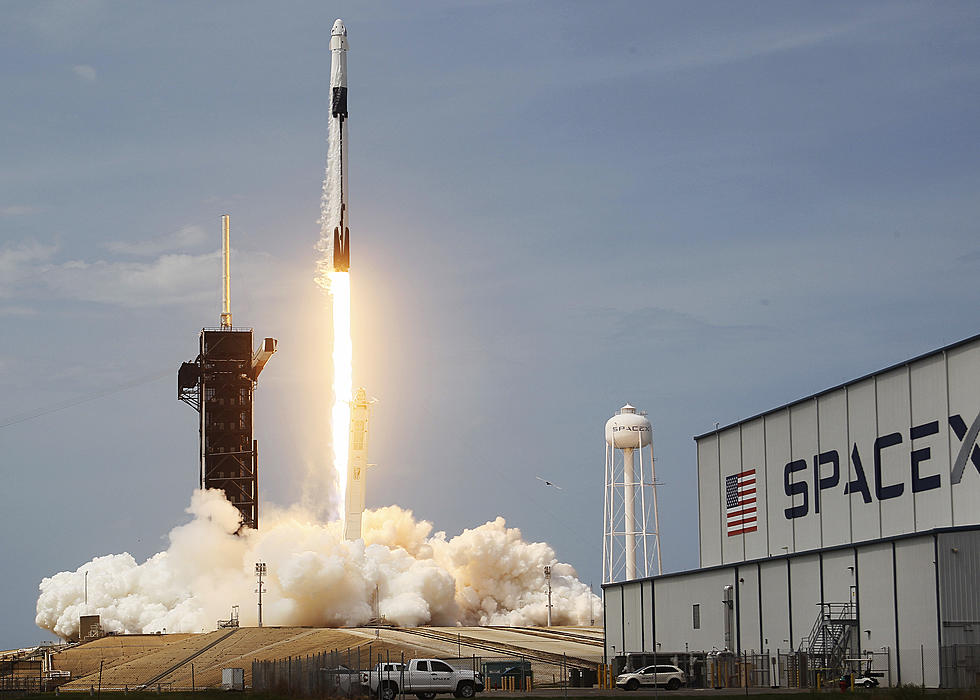
SpaceX’s existing Starbase launch site in Boca Chica, Texas, covers about 140 acres and employs roughly 3,400 people. A source familiar with the company’s Louisiana plans says the project would create thousands of jobs, though the full build-out is expected to use only a fraction of the 130,000 acres, with the rest serving as a buffer zone.
FAA proposal would waive environmental reviews
The timing lines up with a sweeping rule change proposed last week by the Federal Aviation Administration. The proposal would let aerospace companies bypass 13 federal environmental laws when applying for launch licenses, including protections under the National Environmental Policy Act, the Endangered Species Act, the Clean Water Act, the Clean Air Act and the National Historic Preservation Act.
Transportation Secretary Sean Duffy framed the change as a way to cut red tape. “America won the first Space Race, and we can do it again,” he said. The proposal does not require congressional approval. A public comment period on the rule change is open through late August, after which the FAA will decide whether to move forward.
Kimberly Siversen Burke, who tracks aerospace regulation for the Florida consulting firm Quilty Space, said SpaceX stands to benefit most from the change simply because it holds more launch licenses than any other company, even though the rule applies industry-wide. She called the current political moment the most favorable one SpaceX is likely to see for building a site like this. Brett Hartl of the Center for Biological Diversity took a sharper view, arguing the rule change strips away basic environmental safeguards to benefit some of the wealthiest people in the world.
The incentives began building months earlier. The Louisiana Legislature passed a package of aerospace tax breaks and liability protections this spring, later signed into law by Landry, that shields aerospace companies from lawsuits tied to physical or economic harm from launch operations.
Mixed reactions in Vermilion Parish
Locals have responded cautiously as speculation about the project has built for months. Some hunting camp leaseholders in the area managed by the Vermilion Corporation reported losing their leases without explanation earlier this year, a change some tied directly to the SpaceX rumors. State Sen. Bob Hensgens, R-Abbeville, has confirmed for months that a space company was negotiating with landowners in the area, and he drew a crowd of more than 200 people to a Rotary Club talk on the topic last month, telling residents to prepare for the project’s economic impact. He said he wasn’t privy to details of the negotiations and stopped short of naming the company.
Elected officials have largely focused on the potential for job creation in a rural parish that has continued to lose jobs and young people for decades. Fewer have addressed what a launch facility could mean for a coastline that has already lost miles of ground to erosion, or for the fish, waterfowl and migratory birds that make Pecan Island a destination for hunters and anglers.
You May Also Like...
- Louisiana Courts SpaceX, Blue Origin With Incentive Bills
- Every New Louisiana Law Taking Effect by August 1, 2026
- Meta's Richland Parish Data Center Is Now a $50 Billion Project
- Louisiana's Land Loss: How It Could Change Life in the Bayou in 50 Years
