
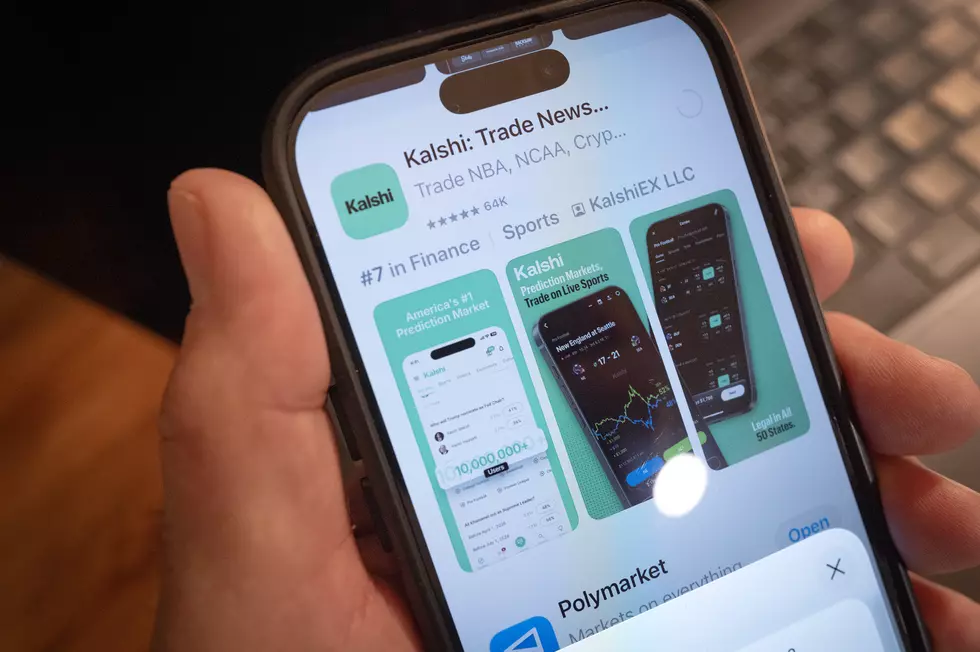
Why Is Kalshi Suing Louisiana? Here’s What the Federal Lawsuit Says.
LAFAYETTE, La. — Kalshi, the prediction market that lets users trade on sports outcomes, has filed a federal lawsuit against Louisiana’s governor, attorney general and gaming regulators. The company filed Friday, Oct. 23, in the U.S. District Court for the Western District of Louisiana. It wants a judge to stop the state from enforcing gambling laws against its exchange before any enforcement begins.
The dispute comes down to who regulates the product. Louisiana regulators say sports contracts are sports wagering that requires a state license. Kalshi says its federal approval means it needs no license from the state. It sued first, citing signals that officials will act soon, and the complaint does not allege that enforcement has begun.

What does Kalshi sell, and why does Louisiana care?
Kalshi runs an exchange that the federal Commodity Futures Trading Commission, or CFTC, designated as a contract market in 2020. Users trade event contracts on that exchange. The contracts cover topics such as economic data, weather and Federal Reserve decisions, and some are tied to the results of sporting events.
Louisiana treats the sports versions as sports betting. State law bars anyone from operating a sportsbook without a license from the Louisiana Gaming Control Board. The law’s definition of a sports wager includes exchange wagering.
Why did Kalshi sue before the state acted?
Kalshi’s complaint cites public statements from state officials. On Dec. 5, 2025, the Gaming Control Board sent an advisory notice to its licensees, permit holders, and associated persons. It said the board considers sports event contracts illegal gambling and that any involvement could affect a company’s suitability for a Louisiana gaming license.
The notice says the board’s position applies even when a contract trades on a CFTC-regulated exchange. It says the board sees “no defense to offering such activity pursuant to a CFTC license.”
The complaint adds that board Chairman Christopher Hebert said in March that the state is actively looking for ways to stop prediction markets. It says Attorney General Liz Murrill called them gambling in the same article. Murrill has also signed friend-of-the-court briefs in the Third, Fourth and Ninth circuits arguing that Kalshi’s contracts violate state law. Kalshi says officials have given no assurance they will hold off.

The suit names 16 defendants, most of them state officials sued in their official capacities. They include Gov. Jeff Landry, Murrill, the Gaming Control Board and its members, and the Louisiana State Police Gaming Enforcement Division.
What changed on Aug. 1?
Two new laws took effect Aug. 1. House Bill 883 expanded the state’s definition of gambling by computer and made it a crime to run dual-currency sweepstakes and social gaming platforms. House Bill 53 upgraded several gambling crimes, including gambling by computer, to racketeering offenses punishable by up to 50 years in prison. Both bills were aimed mainly at illegal casinos, sportsbooks and sweepstakes sites.
Kalshi says officials read the gambling-by-computer law to cover its contracts. The complaint points out that the same statute exempts trades in futures, commodities and similar instruments on an exchange.
A gambling-by-computer violation carries a fine of up to $100,000 and up to five years in prison, with or without hard labor. The complaint says each wager counts as a separate violation and that forfeiture of profits and gross receipts is mandatory.
The complaint also says the attorney general can now sue for an injunction under enforcement tools that took effect the same day. Kalshi says courts could then order websites removed and bank accounts frozen, including through orders issued without notice. The same laws expose payment processors, geolocation providers and media affiliates to criminal penalties.
What is Kalshi’s legal argument?
Kalshi says the federal Commodity Exchange Act gives the CFTC sole authority over event contracts traded on a designated contract market. Under the Supremacy Clause, federal law overrides conflicting state law, and Kalshi argues Louisiana’s enforcement threats violate it. The complaint has one count. It argues federal law preempts the state laws in three ways: by express language, by occupying the whole field and by conflicting with them.
Kalshi also argues it could not operate under Louisiana’s licensing rules even if it applied. Those rules include a requirement that servers processing sports wagers be physically located in the state. The complaint calls such requirements impossible to reconcile with federal law. Leaving Louisiana, it says, could put Kalshi at odds with a CFTC rule requiring impartial access to its markets.
The complaint also points to federal rulemaking. In June, the CFTC proposed a framework for sports event contracts. On Oct. 9, it issued an interim rule that excludes casino-style gambling products from the definition of a swap. That exclusion covers products regulated as gambling under state law that are not traded on an organized exchange. The same day, the CFTC proposed a rule defining swaps to include sports event contracts. Kalshi says the rules confirm its contracts fall under CFTC authority.
What does the state say?
Louisiana regulators hold that staking money on the outcome of a game is sports gambling, whether or not a company has a federal license. The board’s notice says the label a platform puts on a product does not matter and that the underlying event decides. The complaint also cites Dawn Himel, who directs the attorney general’s Gaming Division. She criticized prediction markets for allowing wagers from people as young as 18 and in-game prop bets that Louisiana prohibits.
Murrill had not responded to requests for comment on the filing as of Tuesday.
Does the lawsuit affect people who use Kalshi in Louisiana?
The complaint describes the state’s gambling law as covering anyone who conducts gambling as a business. Baton Rouge attorney Franz Borghardt, who is not involved in the case, said the penalties apply to the company. Users may not be doing anything wrong by using the technology, he said, but a company that is not licensed could be in violation.
What happens next?
The complaint asks for a declaratory judgment and for a temporary restraining order, preliminary injunction, and permanent injunction. Kalshi says it intends to tell the state it will seek a preliminary injunction. It says it will also seek a restraining order unless officials promise not to begin enforcement while that request is pending.
Borghardt said a quick decision is expected on whether Kalshi can keep operating for now, and that the larger fight will take longer. He expects the U.S. Supreme Court to have to decide the question eventually.
Courts elsewhere have split. The Third Circuit sided with Kalshi in April in a New Jersey case. The complaint says federal judges in Arizona, Minnesota and Illinois have blocked state enforcement.
The Ninth Circuit held in August that Kalshi’s sports contracts are likely not swaps, the complaint says. The Sixth Circuit ruled in September that the contracts are not swaps and that federal law does not preempt Ohio or Tennessee gambling laws.
Kalshi has also lost in district courts in states including Maryland, Iowa, New York, Connecticut and Utah, and has appealed. In Utah, a federal judge ruled for the state in August. On Sept. 8, the Tenth Circuit denied Kalshi’s request for an emergency injunction while the appeal proceeds
You May Also Like...
- Online Sports Betting Goes Live on Friday
- Can You Legally Bet on Who LSU’s New Coach Will Be?
- Louisiana Grocery Store Busted for Illegal Gaming and Other Unlawful Activities
- Bad Bet – Casinos in Louisiana and Nationwide Warn of Scam
- Louisiana, We Have a Serious Gambling Problem!!
10 of Louisiana's Weirdest Laws
Gallery Credit: Michael Dot Scott
More From News Talk 96.5 KPEL