

Is It Time for Gumbo Season in Acadiana? When to Break Out Your Cast Iron Pot
Highlights
- Gumbo season in Acadiana starts in October when overnight temps drop into the 50s and 60s, with daytime highs in the 70s
- The Louisiana Gumbo Festival in Chackbay kicks off every October after running for over 50 years
- Peak season runs from October through March, but many Lafayette families cook gumbo year-round
- Gumbo shows up at Sunday dinners, Mardi Gras runs, Lenten meals, and even during snowstorms
- There’s no wrong time to cook Louisiana’s official state dish—locals say “it’s always gumbo season”
When Is Gumbo Season in Acadiana?
October through March is prime gumbo weather in South Louisiana, but the real answer is more complicated than that
LAFAYETTE, La. (KPEL News) — Walk through any Lafayette neighborhood on an early October morning when the first cold front breaks summer’s heat, and you’ll smell it. Dark roux simmering in cast iron pots, onions and bell peppers cooking down, the unmistakable smell of gumbo that means fall is here.
Acadiana doesn’t need a calendar to know when it’s time for gumbo. When overnight lows hit the 50s and daytime highs settle into the 70s, South Louisiana families know what to do.

The January 2025 blizzard proved the point. When nearly a foot of snow shut down Lafayette and the surrounding area, families turned to their gumbo pots. “The smell of gumbo filled the air,” Lafayette mom Elizabeth Hansen said while taking her kids on a snowy walk, according to The Advocate. Social media lit up with photos of chicken and sausage gumbo, seafood gumbo, and gumbo z’herbes.
What Acadiana Families Need to Know About Gumbo Season
“Gumbo weather” isn’t just a regional saying—the National Weather Service uses it in official forecasts. When predicting the first big cool-down of fall, forecasters wrote, “May be time to take those gumbo pots out of the back of the cupboard and dust them off.”
Making gumbo means standing over a hot stove for hours, stirring roux for 30 to 45 minutes until it hits that chocolate-brown color. When it’s 95 degrees outside, that’s rough. When October rolls in with those first cold fronts, spending an afternoon with a gumbo pot sounds pretty good.
READ MORE: These Are the 8 Most Essential Fall Foods of South Louisiana
According to weather data for Louisiana, this usually happens before October 15th. Average highs in Lafayette drop below 90 degrees by mid-September, but when they stay in the 70s—typically by late October—gumbo cooking really picks up. For many families, overnight lows in the upper 50s are the trigger.
Gumbo season runs October through April, which lines up with oyster season in Louisiana. That’s prime time for seafood gumbo with fresh Gulf oysters, shrimp, and crab. The cooler months also match up with South Louisiana’s cultural calendar, from fall festivals through Mardi Gras and into Lent.
Acadiana’s Gumbo Festival Calendar Marks the Season
If you need proof that gumbo season has arrived, check the festival calendar. October is packed with gumbo celebrations across the region.
The big one is the Louisiana Gumbo Festival in Chackbay, held every October for over 50 years. The Louisiana legislature named Chackbay the “Gumbo Capital of Louisiana,” and the festival serves 500 gallons of gumbo to thousands of people. This marks the beginning of gumbo season, like the first cold front.
Lafayette hosts the South Louisiana Blackpot Festival & Cookoff every October at Vermilionville. Teams compete in gumbo, gravy, cracklins, and jambalaya while Cajun bands play. You can watch traditional blackpot cooking and taste dozens of different gumbos.
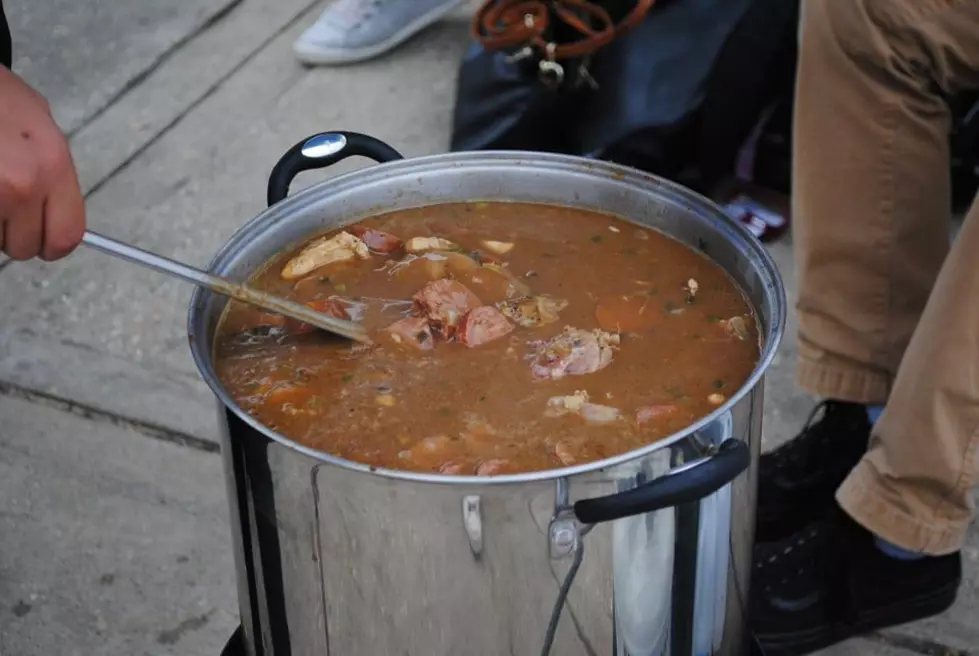
The World Championship Gumbo Cook-Off in New Iberia brings over 100 teams who cook everything from scratch—roux to rice, all prepared on-site. These competitions happen in October because the weather’s perfect for outdoor cooking.
Gumbo season doesn’t stop after October. St. Landry Parish hosts the Annual Gumbo Cook-Off in Opelousas every January, raising money for local kids with medical expenses. February brings Lafayette’s Roux Fest Gumbo Cookoff, which packed Blackham Coliseum in 2024 with 50 teams making over 170 entries. Winter festivals prove gumbo season runs strong through the coldest months.
Beyond Weather: Acadiana’s Year-Round Gumbo Traditions
Ask any South Louisiana cook and many will tell you: “It’s always gumbo season.” While October through March is peak time, gumbo shows up in Acadiana life beyond temperature.
Sunday dinner is gumbo day for many families. It’s been a weekly thing for generations, hot weather or not. The tradition is about more than food—it’s about getting family together. These aren’t quick dinners. The gumbo simmers for hours while family shows up, stories get told, and generations sit around the same table.
READ MORE: Master the 9 Stages of Roux to Make Your Best Cajun Dish Yet
Mardi Gras has its own gumbo tradition through the courir de Mardi Gras. Masked riders travel from house to house collecting ingredients, and according to cultural historians, everyone gathers for a massive communal gumbo at the end. Some runs last multiple days, with the gumbo cooking as the big finish before Lent begins.
During Lent, Catholic families in Acadiana make gumbo z’herbes—a meatless “gumbo of greens” served on Good Friday. This religious tradition uses greens like mustard, turnip, and spinach, sometimes seven or nine different types for spiritual meaning. It’s less common now, but still important to the region’s food and faith.
Then there are the surprise gumbo moments. When the January 2025 blizzard hit, Acadiana went straight to the gumbo pots. Twenty-nine-year-old Lafayette resident Dante Rabeaux made chicken and sausage gumbo for the first time during the storm. “I thought, ‘if this isn’t gumbo weather I don’t know what is,’” he told The Advocate. The response was the same across the region—unprecedented cold meant it was time for gumbo.
Why October Through March Remains Peak Gumbo Season in Lafayette
Despite the “always gumbo season” mindset, there’s a reason October through March sees the most gumbo cooking in Acadiana. Standing over a hot stove stirring roux for 45 minutes is better at 65 degrees than at 95 with Louisiana humidity.
But it goes deeper than that. Gumbo is comfort food, and comfort food hits different when you need it. The first cool snap in October is relief after months of heat, and gumbo celebrates that relief. As temperatures drop through winter, gumbo’s warmth works against Louisiana’s damp cold.
Harvest season matters too. Fall brings fresh ingredients—the last summer bell peppers, fresh okra, and the start of prime oyster season. According to Visit Lake Charles, oyster season runs from October through April, matching traditional gumbo season. Generations of cooks have worked with what’s fresh and available.

The festival concentration during these months creates momentum. When everyone’s at gumbo cook-offs, posting pictures of family recipes, and swapping roux tips, it reinforces this as gumbo time. The social part feeds itself—each family’s pot inspires neighbors to make their own.
Shorter days and longer nights make gumbo more appealing, too. As daylight shrinks through fall and winter, slow-cooking gumbo on a Sunday afternoon gives structure and warmth. The house fills with those smells, and by dar,k you’ve got enough to feed everyone with leftovers—which any Louisiana cook will tell you tastes better the next day.
What Local Chefs and Home Cooks Say About Timing
Gumbo in Acadiana has traditions and preferred seasons, but there’s no wrong time to make it. Every family has their own triggers, their own rules, their own perfect timing.
Some families wait for the first official cold front. Others mark their calendars for the Louisiana Gumbo Festival. Still others make gumbo whenever they want it, temperature be damned. The tradition of weekly gumbo means many South Louisiana households cook it year-round, treating it as practical family food instead of a special occasion.
The roux often decides things. A proper dark Cajun roux needs constant attention over medium heat for up to 45 minutes. In summer, that’s genuinely miserable—sweating over the stove while the AC struggles. But in October, when you can open the windows and get that cool breeze, making roux becomes almost meditative.
Generational knowledge matters. Many Acadiana residents learned to make gumbo by watching their parents or grandparents, picking up techniques and timing traditions. These traditions vary—some families make gumbo every Sunday without fail, others wait for the first 50-degree morning, and some cook it for birthdays or holidays.
Local markets respond to these patterns. Gumbo ingredients are available year-round, but you’ll see local butchers and seafood markets pushing fresh andouille, cleaned crabs, and other gumbo essentials harder during fall and winter. The whole community moves through the seasons together, with gumbo season being one of the most anticipated shifts.
Planning Your First Gumbo of the Season
If you’re new to Acadiana or want to start your own gumbo season tradition, here’s what to watch for.
Pay attention to overnight temperatures. When forecasts show lows dropping into the 50s, that’s your signal. Check the National Weather Service forecast for the New Orleans/Baton Rouge region. Daytime highs in the mid-to-low 70s plus overnight lows in the 50s equal gumbo weather.
Watch local weather reports. Look for phrases like “first cold front” or “taste of fall.” Louisiana meteorologists know their audience—they’ll mention gumbo weather in forecasts. This usually happens in early-to-mid October, though it can come late September or hold off until later in October.
The festival calendar helps too. When the Louisiana Gumbo Festival weekend arrives in Chackbay, it’s officially time. Other festivals follow through October and into winter.
If you’re making your first gumbo, start with chicken and sausage. It’s more forgiving than seafood gumbo, needs fewer specialized ingredients, and it’s the style most common in Acadiana homes. The traditional recipe starts with a dark roux, adds onions, celery, and bell peppers, then simmers with chicken and andouille for hours.
Get your ingredients from local sources. Fresh andouille from a Louisiana producer makes a real difference. Local markets carry the right sausage, fresh vegetables, and sometimes pre-made roux for those who want to skip the most time-intensive step (though purists insist on making it from scratch).
Most important: embrace the Sunday dinner tradition. Gumbo isn’t a quick weeknight meal—it’s an afternoon project. Start early on Sunday, let it simmer while you watch football or visit with family, and serve it in the evening over rice. This rhythm connects you to generations of Louisiana cooks who’ve done the same thing.
The Bottom Line
Gumbo season in Acadiana kicks off in October when temps drop into gumbo weather range—overnight lows in the 50s, daytime highs in the 70s. The tradition runs through March, lining up with Louisiana’s oyster season and the cultural calendar from harvest festivals through Mardi Gras and Lent.
But ask any local, and they’ll tell you the truth: In Acadiana, it’s always gumbo season when the weather’s right, the family’s gathered, or the moment calls for it. The best time to make your first pot is when that cool breeze hits, you smell it from your neighbor’s kitchen, and you know fall has finally arrived in South Louisiana.
Gumbo is just one of several great foods that welcome in the Fall season.
The Best Fall Cooking Louisiana Has To Offer
Gallery Credit: Joe Cunningham
More From News Talk 96.5 KPEL


